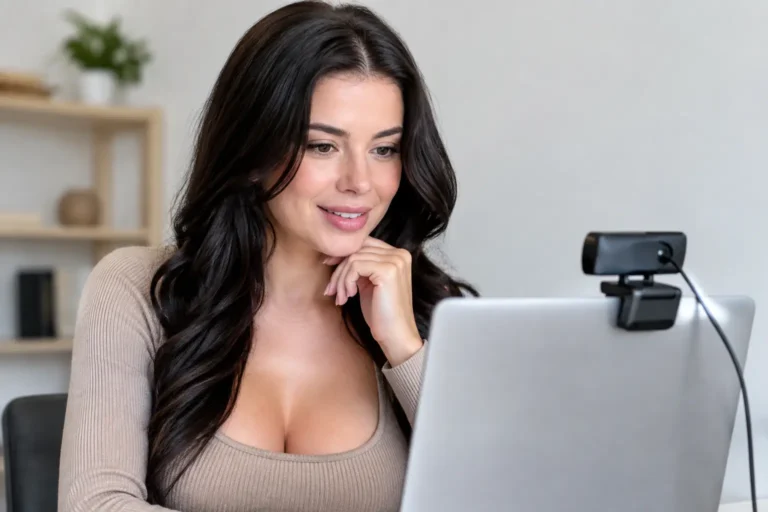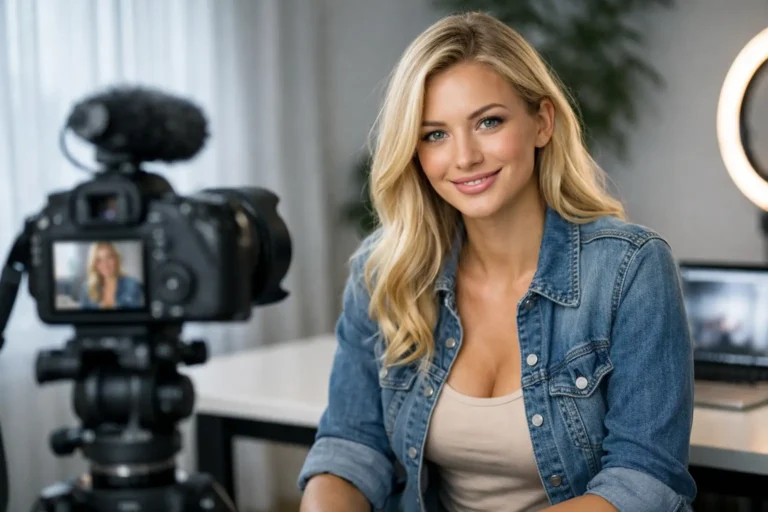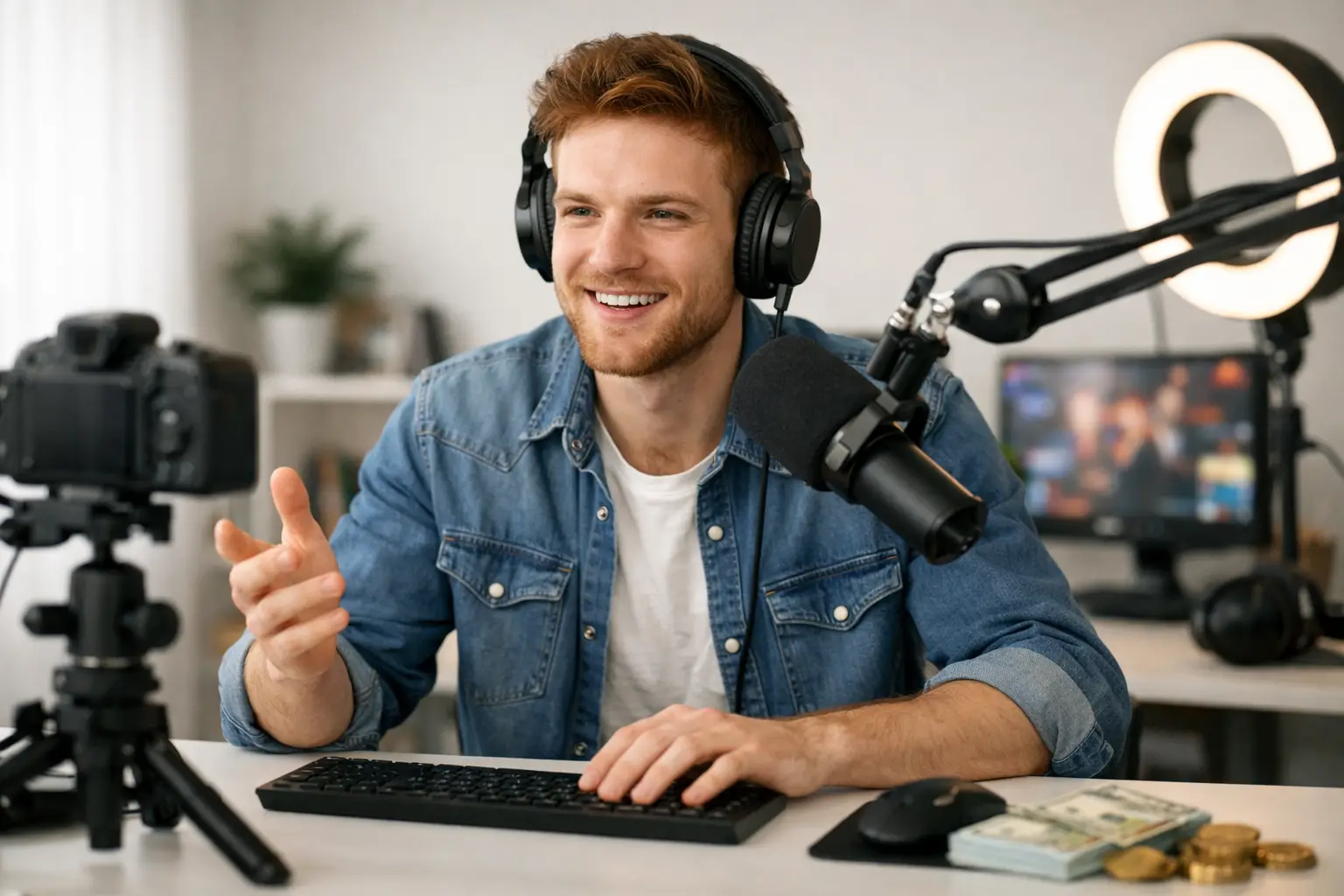
Your spare room, a clear plan and a reliable internet connection can become the foundation of a flexible income stream. If you are wondering how to stream from home, the good news is that you do not need a professional studio or a huge social following to begin. You do need to treat it like a real opportunity: protect your privacy, create a space that looks good on camera, and show up with confidence.
For adult women who want more control over when and how they work, webcam modelling can offer genuine flexibility. You choose your hours, set your boundaries and build your earning potential around the effort you put in. Starting smart makes that freedom easier to protect.
Create a private space that works on camera
Your streaming room does not need to be large, expensive or picture-perfect. It needs to be private, quiet and somewhere you can use consistently without interruptions. A bedroom, spare room or screened-off corner can work well if you have control over who enters and what appears in the background.
Before your first stream, look at your space through the camera rather than with your own eyes. Remove post, paperwork, prescription labels, family photographs, work uniforms and anything that reveals your address, full name or daily routine. A plain wall, tidy bedding, curtain or simple backdrop keeps the attention on you and gives your room a more polished feel.
Think about sound too. Close windows, silence notifications and let people you live with know when you cannot be disturbed. If privacy is difficult at home, it may be worth waiting until you can create a more reliable setup. Your peace of mind is part of your professional setup, not an afterthought.
Get the basic streaming equipment right
You can start with equipment you already own, then upgrade once you understand what improves your results. A modern smartphone, tablet or laptop camera can be enough for a first test. However, clearer video and clean audio make viewers more likely to stay, chat and return.
Prioritise a stable broadband connection first. Use a wired connection where possible, or stream close to your router if Wi-Fi is your only option. Test your upload speed at the times you intend to work, because a connection that feels fine for browsing can struggle with live video.
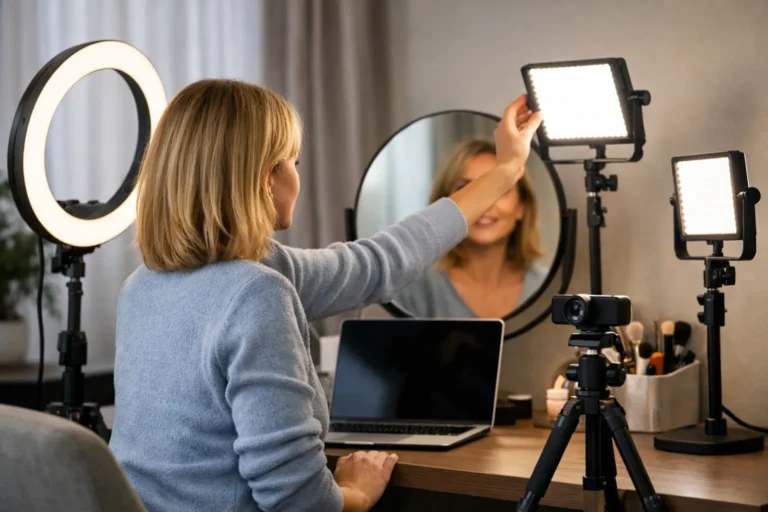
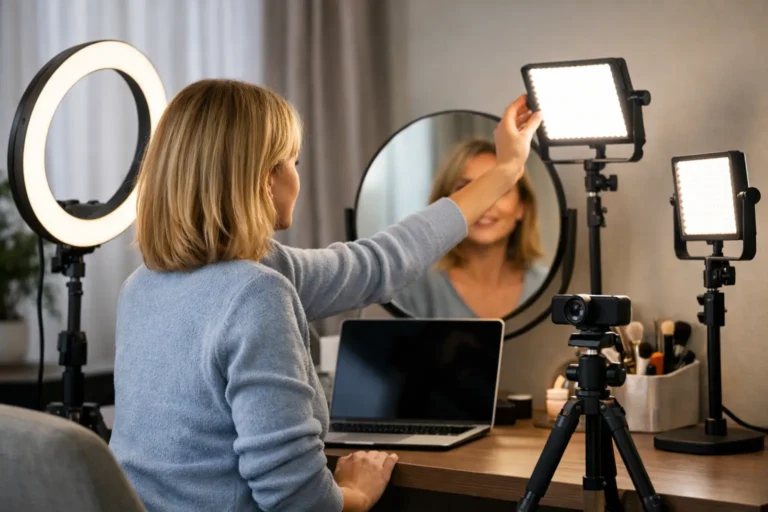
Lighting is the next big difference-maker. Face a window during daylight hours or place a soft light in front of you, slightly above eye level. Avoid having the main light behind you, as this can leave your face in shadow. A ring light is a popular budget choice, but a lamp with a soft bulb can also create flattering, even light.
For sound, quiet surroundings are often more useful than costly equipment. If your room has echoes or outside noise, a basic USB microphone or headset can help. Do a short private recording and watch it back before going live. Check framing, lighting, sound and background, then make one improvement at a time.
Choose a platform or agency with care
Learning how to stream from home includes choosing where you will work. The right platform or agency should be clear about age verification, payment methods, commission structures, rules and support. As an adult creator, you should never be pressured to provide more personal information than is needed for legitimate verification and payment.
Read the terms before you create an account. Find out how and when you are paid, whether there is a minimum payout threshold, what content is permitted, and whether you can set your own rates or work independently. Earnings vary considerably depending on your hours, audience, schedule and approach, so be wary of anyone promising guaranteed money with no effort.
A reputable opportunity will also take safety seriously. It should have reporting tools, moderation policies and straightforward guidance on protecting your identity. Strictly Models is built around helping aspiring webcam models understand the work and take the first step with greater confidence, but you should always ask questions before committing to any opportunity.
Set boundaries before you turn on the camera
Your boundaries are not something you negotiate after a difficult situation. Decide them before your first broadcast. Consider what you are comfortable discussing, what content you are willing to create, which requests you will decline, and how you will respond when someone pushes back.
Keep your professional identity separate from your personal life. Use a stage name rather than your legal name, create a dedicated email address, and avoid sharing your location, workplace, social accounts or identifiable details about family and friends. Check mirrors, windows and reflections in your room too. Small details can reveal more than you intend.
Never feel that you have to accept a request because a viewer is demanding, flattering or offering money. The ability to say no clearly is one of the most valuable skills in cam work. The right viewers respect your rules. The wrong ones are not worth your time or energy.
Build a routine that gives viewers a reason to return
You do not need to stream every day to make progress, but consistency helps. Pick days and times you can realistically maintain, then treat those sessions as appointments with yourself. A regular schedule helps returning viewers know when they can find you, while also preventing work from taking over your entire life.
Start each session with a simple plan. You might choose a look, theme, conversation topic or personal target for the evening. Planning stops you from sitting in front of the camera wondering what to do next. It also makes your content feel intentional without making it feel rehearsed.
The strongest performers are rarely successful because they own the most expensive gear. They create a welcoming atmosphere, communicate well and make people feel noticed. Greet new viewers, respond to chat where you can, and keep your energy genuine. You do not have to be loud or perform a personality that does not fit you. Confidence is more believable when it is built around your real strengths.
Treat your earnings like a business from day one
Flexible income is still income, so keep records from your first payout. Track what you earn, the hours you stream, your platform fees and any work-related costs such as lighting, equipment or a dedicated internet upgrade. This will show you which times and approaches make the best use of your time.
If you are working in the UK, you may need to register and manage tax responsibilities depending on your circumstances and income. Keep money aside rather than assuming every payout is yours to spend. If you are unsure what applies to you, speak to a qualified accountant or use official guidance for self-employed income.
It also helps to set practical targets. Instead of focusing only on a big monthly number, aim for sessions you can complete, improvements you can make or a consistent weekly schedule. Small, repeatable actions usually build more dependable results than trying to work intense hours and burning out after a fortnight.
Know when to improve your setup
Do not spend heavily before you have streamed enough to know what you need. Once you have a routine, review your recordings and viewer feedback. If video quality is the issue, upgrade your camera or lighting. If connection drops disrupt sessions, focus on broadband. If you are struggling to hear or be heard, improve your microphone and reduce room noise.
Your setup should support your goals, not become a costly excuse to delay starting. Many successful models begin with straightforward equipment, learn what their audience responds to, and reinvest carefully as their income grows.
The best way to start is to prepare your space, protect your identity and commit to a first session you can feel good about. You are allowed to begin small, learn as you go and build an income path that fits your life – confident, independent and in control.
About the Author