
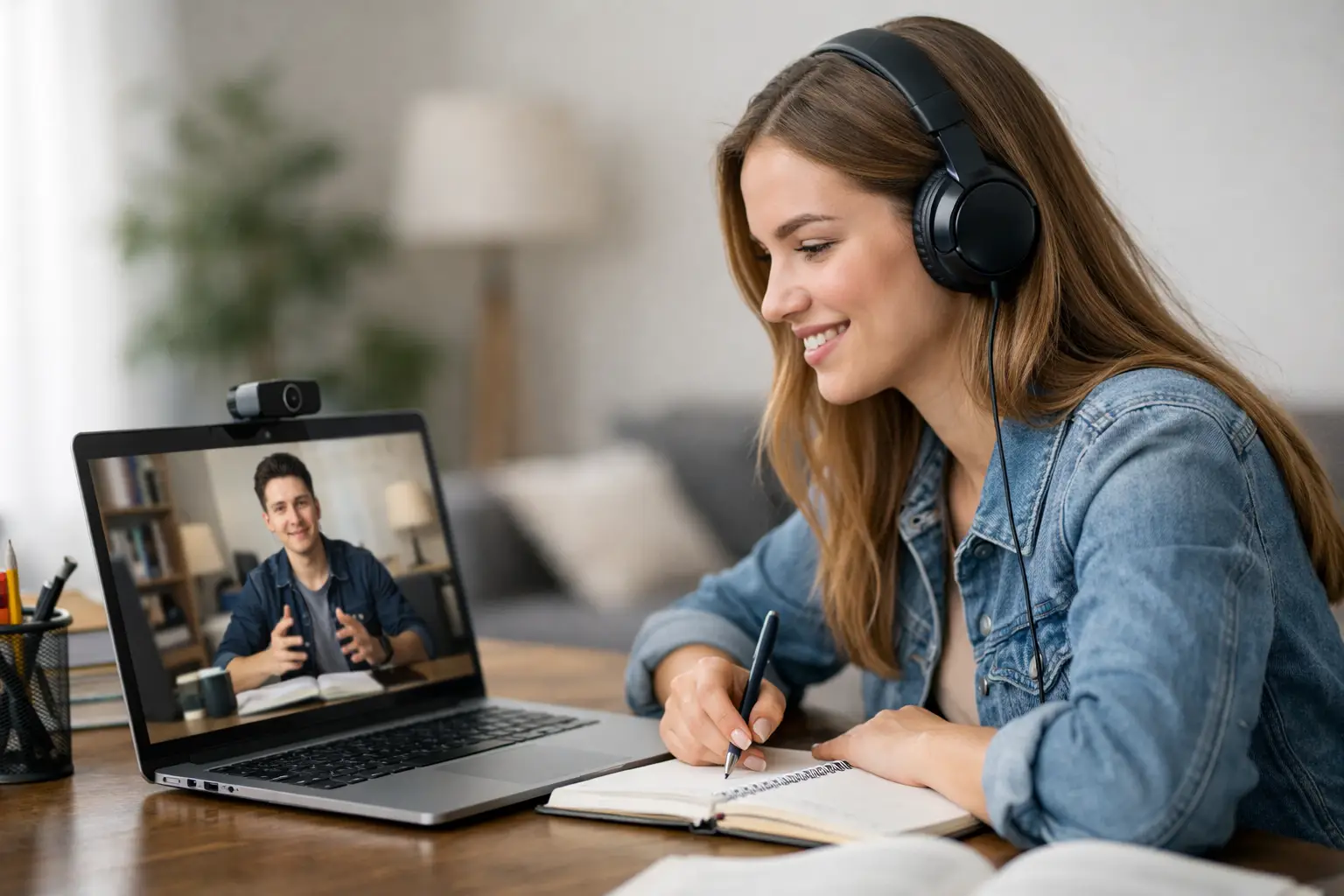
A student webcam work example is most useful when it looks like real life, not a fantasy schedule packed with twelve-hour shifts and instant money. If you are over 18, studying, and looking for flexible work from home, webcam modelling can fit around lectures, coursework and your social life – but only when you treat it like a business you control.
The appeal is straightforward. You choose when to go online, set boundaries around what you are comfortable with, and build earnings around the hours you actually have available. The trade-off is that consistency, privacy and preparation matter. A few organised sessions each week will usually serve you better than logging on randomly whenever you have a spare half-hour.
A realistic student webcam work example
Meet Maya, a fictional 21-year-old university student living in a shared flat. She has lectures three days a week, works hard to keep up with reading, and wants an income source that does not force her to commit to fixed retail shifts every weekend.
Before she starts, Maya checks that she meets the platform and agency requirements, including being 18 or over and providing valid verification. She reads the rules carefully, learns how payment works, and sets a personal goal: work three evenings a week for two to three hours, then review whether the routine suits her after a month.
Her timetable is simple. She reserves Tuesday, Thursday and Sunday evenings, keeping Friday and Saturday free for friends, rest or extra study. On busy assignment weeks, she reduces her availability rather than trying to do everything at once. That flexibility is the point. Webcam work should support your priorities, not make university harder to manage.
Maya also creates a separate work identity. She uses a stage name, a new email address, and a dedicated payment method where possible. She avoids sharing her university, address, class timetable or other identifying details. Her background is tidy and neutral, with no post, photos or recognisable items on display.
By her fourth week, she has a clearer picture of what works. Early evening sessions bring more casual viewers, while a later Sunday session gives her focused time to build regulars. She has not relied on one great night to judge the job. Instead, she tracks her hours, income and energy levels, then adjusts her routine from there.
That is the realistic part of a student webcam work example: no one has to be available all day, and no one needs to sacrifice their degree. You start with a manageable schedule, keep your boundaries firm, and improve through repetition.
Build a schedule around your actual workload
Students often make one mistake at the start: they plan based on their ideal week rather than the week they genuinely live. A timetable with lectures, commuting, gym sessions, coursework deadlines and proper downtime does not leave unlimited space. Be honest about it.
Choose two or three time windows you can protect each week. For some people, that means weekday evenings after seminars. For others, it means a couple of daytime slots between classes or one longer Sunday session. Regularity helps viewers know when to find you, while also helping you avoid the stress of deciding every day whether you should log on.
Keep a little flexibility for exam season. You may decide to work less during revision periods, or take a short break altogether. This is a self-directed income opportunity, not a commitment to burn yourself out. Planning ahead also means you can work more confidently when you are online, instead of watching the clock and worrying about tomorrow’s deadline.
Set up properly before your first session
You do not need a luxury studio to begin, but the basic setup affects how professional you feel and how clearly viewers can see and hear you. A private, well-lit space is more valuable than expensive gear you cannot afford.
Start with a reliable internet connection, a decent webcam, clear audio and soft front-facing lighting. Test everything before your planned session. Look at your camera frame as a viewer would: check for reflections, background details, paperwork, windows and anything that could reveal personal information.
Privacy is not a small detail. Use strong passwords, turn on two-factor authentication where available, and avoid using the same usernames you use on personal social media. Consider geoblocking tools if they are offered, but do not treat them as a guarantee. The safest approach is to keep personal details private from the beginning.
You should also understand the financial side. Webcam earnings can vary depending on your hours, audience, platform rules and consistency. Treat income as variable while you learn, keep records of what you receive, and put aside money for any tax responsibilities that apply to you. If you are in the UK, self-employed income may need to be declared to HMRC, so getting organised early saves stress later.
Make your time online count
Confidence grows through preparation. Before each session, decide the atmosphere you want to create, whether that is chatty and playful, calm and friendly, or focused on a specific theme that suits your personality. You do not need to copy anyone else. The strongest long-term presence is one you can maintain without pretending to be someone you are not.
Think of each session as a mix of presentation and customer service. Greet people, keep the conversation moving, and make regular viewers feel recognised without giving away private information. Set clear rules in your profile and enforce them. You are allowed to say no, block people who cross a line, and end a session if you feel uncomfortable.
It also helps to keep brief notes afterwards. Which time slot felt busiest? What conversations kept people engaged? Did your lighting, sound or internet create a problem? This is how you improve without guessing. A student who treats webcam work as a flexible business can make sharper decisions than someone who relies on luck.
Know the trade-offs before you apply
Webcam modelling offers freedom, but it is not effortless money. Some sessions will be quiet. Building regular viewers takes time, and motivation can dip when coursework piles up. There is also a real privacy consideration, even with careful precautions, because online content and interactions carry risks.
That does not mean the work is wrong for you. It means you should make a clear-eyed decision. If you want flexible remote work, enjoy communicating with people, can protect your personal information, and are comfortable setting boundaries, it may be a strong fit. If the idea leaves you anxious or pressured, pause. You should only work on terms you genuinely choose.
Legitimate opportunities will verify your age, explain expectations, and never pressure you to share more than you have agreed to. Be cautious of anyone who asks for money upfront, demands access to personal accounts, or makes guaranteed earnings promises. Your independence is valuable. Protect it.
Turn a small routine into a stronger income plan
Once your first few weeks feel steady, review your results rather than automatically adding more hours. You may find that three consistent sessions work brilliantly beside your course, or that one additional session on a quieter study week makes sense. More hours are only useful if they do not damage your wellbeing or academic goals.
This is where a structured route into the industry can help. Strictly Models focuses on giving adult applicants a clear way to explore webcam opportunities while keeping the process practical, beginner-friendly and focused on working on your own terms.
Your first month does not need to prove everything. It only needs to show you whether the routine feels workable, private and empowering. Choose your hours carefully, protect your identity, and give yourself permission to build at a pace that keeps you confident, independent and in control.
About the Author

Become a Webcam Model
From Home
Flexible hours, regular payouts and support from an established UK webcam modelling agency.
18+ only · Valid ID required · No commitment to apply
Form not loading? Open secure application