A spare bedroom, a reliable internet connection and a clear reason for wanting more control over your income can be enough to start asking the right question: independent camming vs studio work – which route gives you the best chance to earn on your terms? There is no one-size-fits-all answer. The strongest choice is the one that matches your confidence, home set-up, financial goals and the level of support you want while learning.
Webcam modelling can offer genuine flexibility, but it is still work. You are building an online presence, managing your time and treating your earnings seriously. Whether you work independently or through a studio, knowing what each option asks of you will help you start with confidence rather than guesswork.
Independent camming vs studio work: the core difference
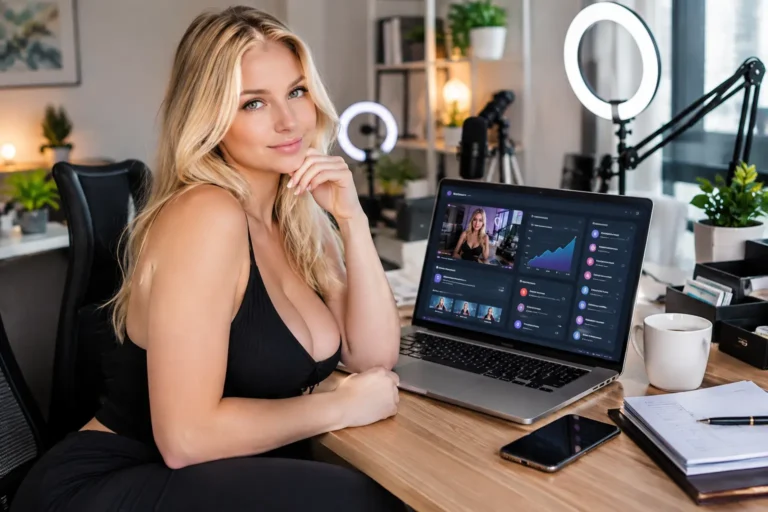
Independent camming means you work from your own chosen location, usually at home, and manage the practical side yourself. You choose your platforms where permitted, create your own schedule, organise your equipment, set your boundaries and handle the business admin. You keep more direct control, but you also carry more responsibility.
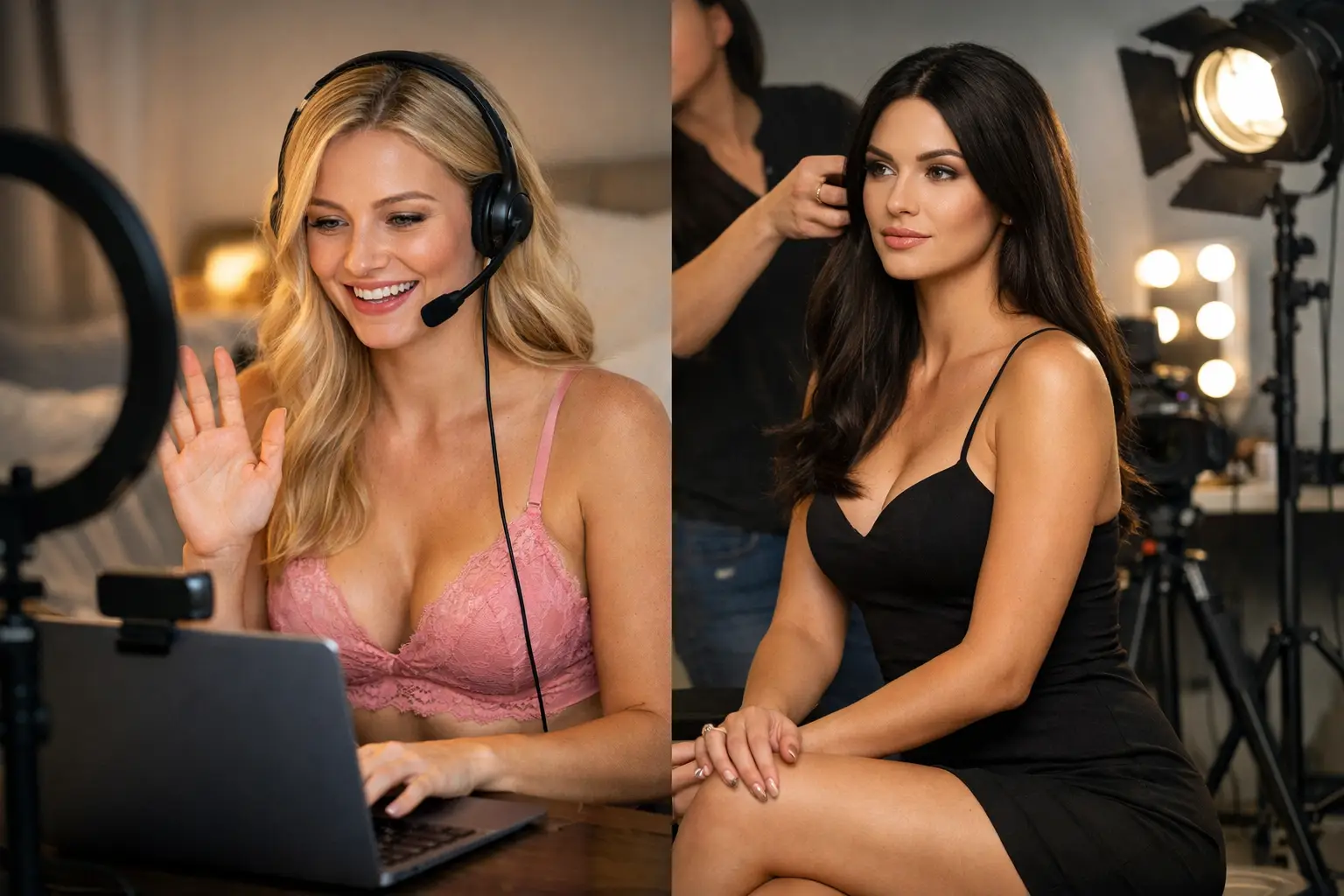
Studio work means working with a studio or agency that provides a structured route into webcam modelling. Depending on the arrangement, this may include a private cam room, equipment, technical support, coaching, payment guidance and help getting established. Some studios offer in-person rooms, while others support models who work from home.
The trade-off is straightforward. Independence gives you maximum control. A good studio can give you a faster, more supported start. Neither automatically guarantees higher earnings. Your consistency, audience connection, working hours and ability to build repeat viewers matter in both settings.
Why independent camming appeals to ambitious models
For many women, the biggest attraction is freedom. You decide when you work, how often you go online and how your room looks. If you have childcare, another job, studies or a changing routine, being able to fit cam work around real life can be a major advantage.
You also control your personal brand. You can choose the mood, style and boundaries that feel right for you, rather than adapting to a studio environment. Some models prefer a polished, themed space; others create a relaxed, conversational experience. The point is that it is yours to shape.
Independent work can also feel more private in one sense. You are not travelling to a workplace or sharing professional space with other models. For someone with a secure, quiet home environment, that can make the job feel more comfortable and sustainable.
However, working alone requires discipline. There is no manager telling you to log on, no ready-made room and no immediate colleague to troubleshoot a camera issue. You need to set work hours, learn platform tools, keep records and make sensible decisions about your earnings. If you thrive on self-direction, that is empowering. If you tend to put things off without structure, it can slow your progress.
The real costs of going independent
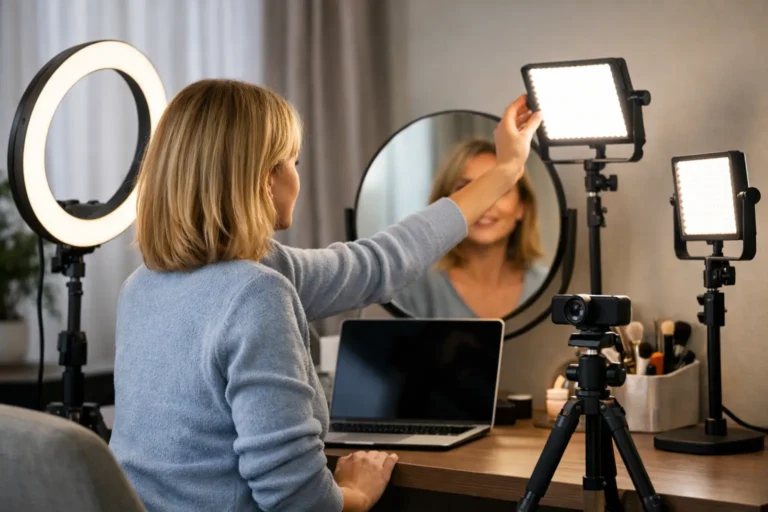
Independent does not mean cost-free. Before you begin, you may need a capable computer or laptop, a quality webcam, reliable broadband, lighting and a private space where you will not be interrupted. You do not need to build a luxury set on day one, but viewers notice clear video, good sound and a professional-looking room.
You will also need to think about security. Keep your performance area separate from personal paperwork, family photos, identifying details and anything that reveals your address or daily routine. Use strong account passwords, two-factor authentication where available and a dedicated work email. Privacy is not an optional extra – it is part of running your cam business professionally.
Finally, self-employed income needs organising. Keep accurate records of what you earn and what you spend on legitimate business costs, then get appropriate tax advice for your circumstances. Being in control includes understanding the money after it reaches your account.
What studio work can give you from day one
A reputable studio can remove several beginner barriers at once. Instead of worrying whether your lighting is good enough or whether your internet will hold up, you may have access to a prepared workspace and technical help. That can be valuable when your main focus is learning how to be comfortable on camera, communicate with viewers and establish a reliable routine.
Support is another major benefit. New models often have practical questions that seem small but affect confidence: What should I wear? How do I create a welcoming profile? Which hours are worth trying? How do I stay professional when a viewer pushes a boundary? A good studio should offer clear guidance without pressuring you to perform in ways that do not suit you.
Structure can help earnings too. A studio may encourage regular shifts, help you understand platform features and give feedback on presentation. For someone who wants work to feel more like a focused job than an entirely self-managed project, that accountability can be useful.
This route may be especially practical if your home is not private enough for camming. Shared accommodation, inconsistent broadband, noisy neighbours or family responsibilities can make home working difficult. A suitable studio setting gives you a clearer separation between work and personal life.
The questions to ask before joining a studio
Not all studios operate in the same way, so never agree to anything based on a big income promise alone. Ask how payment works, what percentage or fees apply, when you will be paid and whether there are minimum shift expectations. Find out whether you can choose your hours, use your own boundaries and leave the arrangement if it is not right for you.
Read the agreement carefully before signing. You should understand who owns your content, whether there are exclusivity terms, how your personal information is handled and what support is actually included. A professional opportunity will answer direct questions clearly. If someone rushes you, avoids putting terms in writing or makes you feel pressured, walk away.
For applicants in Essex or elsewhere in the UK, a studio can be a convenient option if travelling to a safe, well-run location suits your routine. But convenience should never replace due diligence. Your comfort, safety and control come first.
Earnings: control versus support
It is tempting to assume independent models always make more because they may keep a larger share of what they generate. That can be true, but only after factoring in equipment, promotion, time spent learning and the effort needed to build consistency. A higher split means little if you struggle to get online regularly or cannot create a reliable set-up.
Studio models may receive a smaller share in exchange for facilities, coaching or operational support. For a beginner, that support can make the difference between feeling overwhelmed and building momentum. The right comparison is not just percentage versus percentage. Ask what you are receiving, what you are responsible for and what helps you earn consistently.
Your income will vary. Viewer demand, your schedule, presentation, platform rules, confidence and the relationships you build with regulars all play a part. Treat dramatic earning claims with caution. Cam work has strong potential, but the models who give themselves the best chance are prepared, consistent and willing to improve.
A hybrid route may suit you best
You do not have to see the decision as permanent. Some models start with studio support to learn the basics, then move towards independent home working once they have more confidence and equipment. Others work independently but seek guidance from an agency or recruitment partner that can point them towards legitimate opportunities.
This can be a smart middle ground. You retain the long-term goal of independence while avoiding the pressure of figuring out every detail alone on your first week. The key is choosing support that respects your choices rather than taking them away.
Choose the route that makes you feel capable
Choose independent camming if you already have a private space, dependable tech and the motivation to manage your own schedule and business decisions. Choose studio work if you want a ready-to-use environment, practical guidance and more structure while you find your rhythm. If both appeal, look for a flexible opportunity that lets you grow without boxing you into terms that no longer fit.
You do not need to have everything perfect before you begin. You need clear boundaries, realistic expectations and a route that makes it easier to show up confidently. Start by deciding what support would make you feel most in control, then take the next step with your earning goals firmly in view.
About the Author