A messy background can make a high-paying show look cheap in seconds. If you want viewers to stay longer, tip more, and take you seriously, the top cam room setup tips are not about spending a fortune – they are about creating a space that looks clean, flattering and fully under your control.
Your room is part of your brand. It tells viewers what kind of experience they are getting before you say a word. A polished setup can make a beginner look established, while a poor setup can make even a confident model seem unprepared. That matters when your income depends on attention, trust and visual appeal.
Why the best cam rooms earn more
People do not just pay for looks. They pay for atmosphere. A strong cam room feels intentional. It gives the impression that you take your work seriously, which helps viewers feel more comfortable spending money.
This does not mean your room has to look like a luxury studio. In fact, trying too hard can backfire if it feels fake or cluttered. The goal is simpler than that. You want a background that looks tidy, lighting that flatters your features, and a layout that lets you move naturally without fussing with equipment all night.
If you are working from home, privacy and practicality matter too. The best setup is one you can use consistently. It should be easy to switch on, easy to keep clean, and easy to adapt if your style changes.
Top cam room setup tips for a professional look
Start with the background because viewers notice it immediately. Plain is often better than busy. A neatly made bed, a clean wall, soft furnishings and a small amount of decor can work beautifully. You do not need lots of props. You need a setting that looks deliberate.
Avoid anything too personal in frame. Family photos, paperwork, branded packaging and anything that reveals your location should stay out of sight. This is not just about appearance – it is about protecting your privacy. The less identifiable your space is, the more in control you are.
Colour choice matters more than many beginners realise. Soft neutrals, black, blush, red and jewel tones often work well on camera because they look rich without becoming distracting. Bright white can sometimes wash out the image, while very busy patterns can make the frame feel chaotic. If your room is small, stick to a simple palette so the space feels clean rather than cramped.
Your furniture should support the kind of content you want to make. If you mostly chat and tease, a comfortable chair and flattering desk angle may be enough. If you want more movement and varied posing, make sure there is visible floor space or a tidy bed area. Build the room around your style of show, not someone else’s.
Lighting is where most beginners go wrong
Bad lighting can ruin everything. Grainy video, harsh shadows and dull skin tones all make your stream look lower value. Good lighting, on the other hand, instantly improves image quality even if your camera is basic.
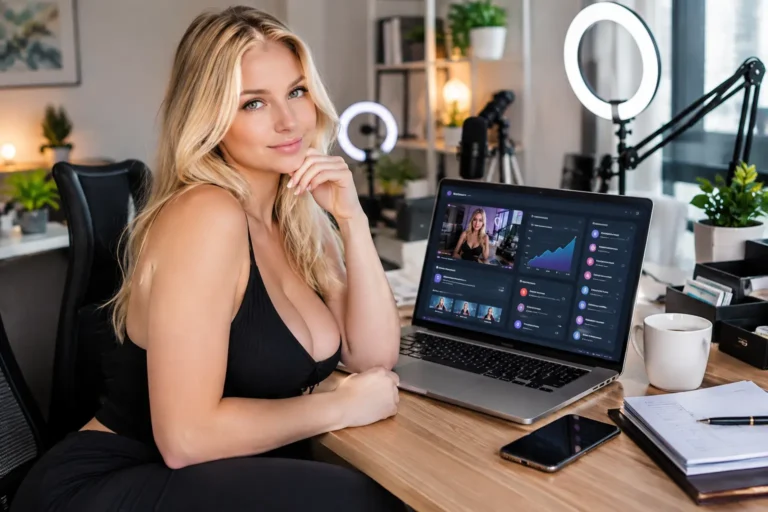
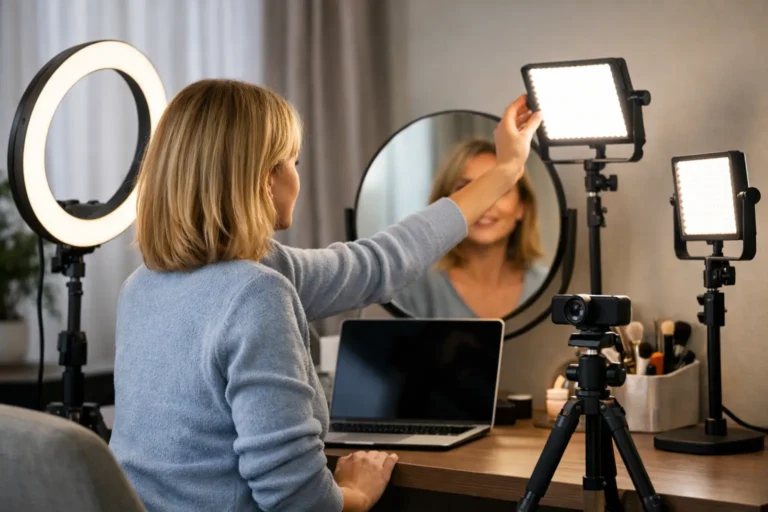
Natural daylight can look lovely, but it is unreliable. If you stream at different times, invest in lighting you can control. A ring light is a common starting point because it is affordable and easy to position. Softbox lights can create a softer effect and may look better if you want a more polished, studio-like result. It depends on your budget and your room size.
The key is placement. Put your main light in front of you, not behind you, so your face stays bright and clear. If the light is too high, it can create shadows under your eyes. Too low, and it can look unflattering. Test it before going live. Small adjustments make a bigger difference than expensive gear.
Warm lighting can create a softer, more intimate mood, while cooler lighting tends to look sharper and cleaner. Neither is automatically better. Choose the one that suits your look and your audience. If you want a cosy, flirty room, warmer tones may help. If you want a crisp, premium feel, a more neutral setup often works well.
Camera quality matters, but angle matters more
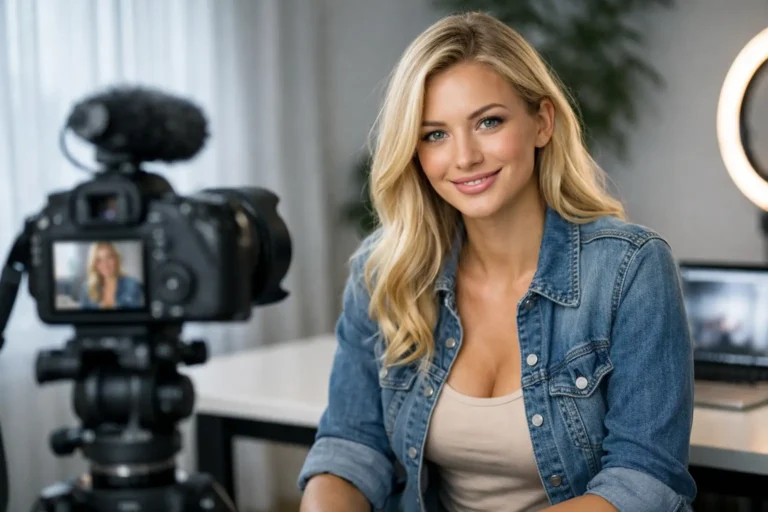
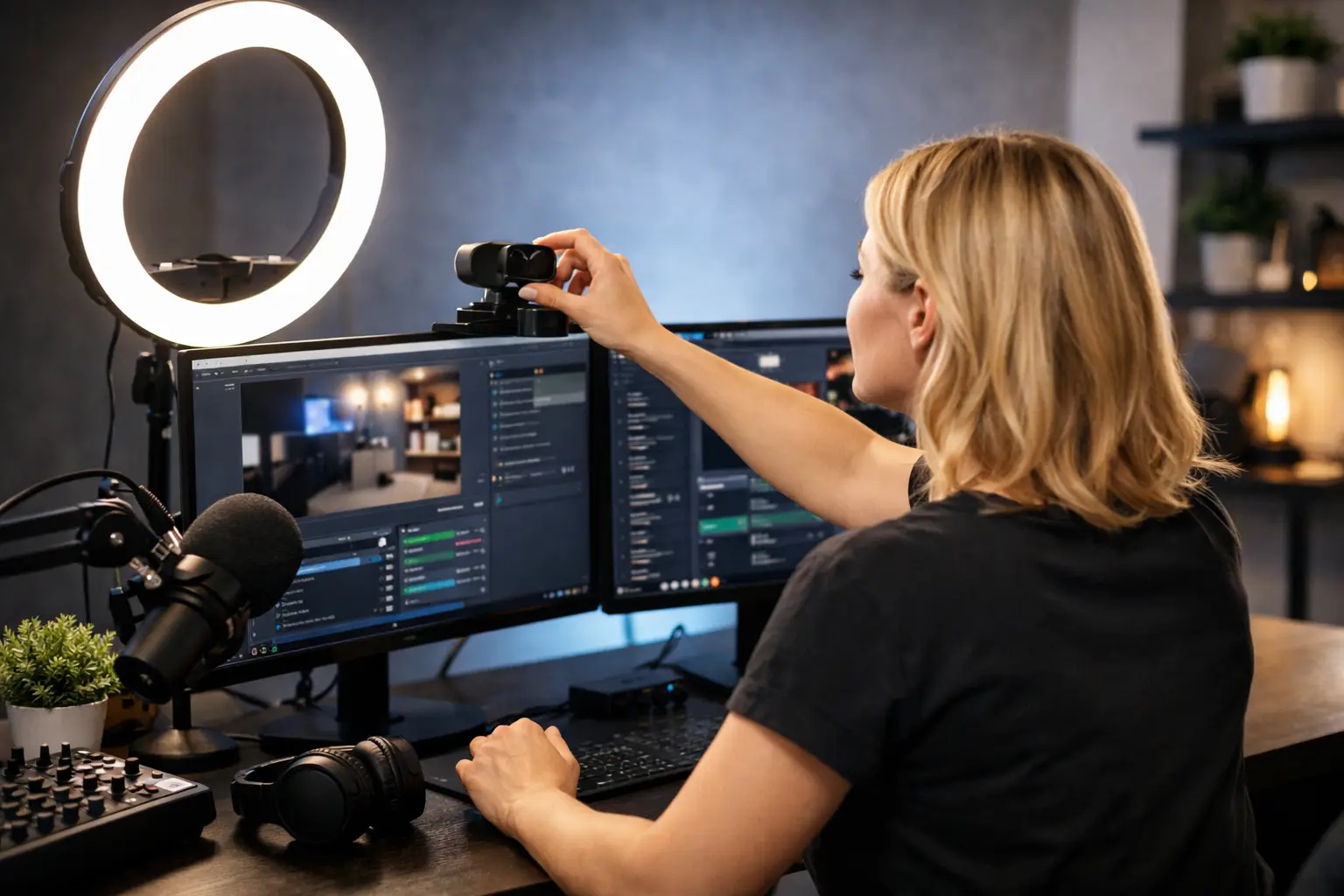
A decent webcam is worth having, but you do not need the most expensive model on the market to start earning. What matters is a clear image, stable positioning and an angle that flatters you.
Most cameras look best placed slightly above eye level, angled down just enough to be flattering without feeling awkward. Too low can create unhelpful shadows and less flattering views. Too high can make the show feel distant and reduce connection. Eye-level or just above usually keeps things natural.
Frame yourself intentionally. If viewers can see half a wardrobe, a pile of laundry and a cut-off corner of your face, the room will feel careless. Check what is actually visible on screen, not what you think is visible. Many models are surprised by how different a room looks once the camera is live.
If you can, test your stream in the exact lighting and outfit you plan to use. Some fabrics reflect light strangely, and some colours that look great in the mirror do not look as good on camera. These checks save frustration and help you feel more confident before your shift starts.
Sound, comfort and control behind the scenes
Video gets attention, but sound keeps people engaged. If your audio is muffled, echoing or full of background noise, it weakens the whole experience. You do not need a full studio microphone from day one, but you do need to think about noise.
Soft furnishings help more than people expect. Curtains, rugs, cushions and bedding can reduce echo and make your room sound warmer. Shut windows if outside noise is a problem, and keep fans or buzzing electronics away from the microphone if possible.
Comfort matters because camming is still work. If your chair hurts, your lighting overheats the room, or your camera stand is unstable, it will affect your energy. The best cam room is not just pretty – it lets you perform for longer without feeling irritated or drained.
Keep essentials within reach. Water, makeup for quick touch-ups, charging cables, tissues and any show-specific items should be close by but out of frame. This keeps your show flowing and stops you breaking the mood every few minutes.
Create a room you can reset quickly
One of the smartest top cam room setup tips is to make your space easy to maintain. If setting up each shift takes an hour, it becomes harder to stay consistent. Consistency is where earnings grow.
Try to keep your main filming area permanently or semi-permanently arranged. That might mean leaving your lights in position, keeping your backdrop fixed, or storing your outfit options nearby. The easier it is to go live, the more often you actually will.
This matters even more if you are balancing cam work with family life, studies or another job. A setup that works in real life beats a perfect-looking setup that is too awkward to use regularly.
Make the room fit your niche
Not every successful cam room looks the same. A soft, feminine setup can work brilliantly, but so can a minimalist room, a glamour look or something more playful. What matters is coherence. Your room, outfit, lighting and energy should all feel like they belong together.
If your style is girl-next-door, do not force an overdone nightclub look. If you love high-glam energy, lean into that with cleaner lines, stronger lighting and a more dramatic colour scheme. Viewers respond well when the room feels authentic to the performer.
There is also a practical income angle here. A memorable room helps with repeat viewers. If your space has a recognisable feel, people remember you more easily. That can support retention, which is often more valuable than chasing random traffic.
Spend where it shows, save where it does not
You do not need to overspend to look polished. Start with the elements viewers notice most – lighting, camera clarity and background. These have the biggest impact on how premium your room appears.
You can save money on plenty of extras at first. Expensive decor, fancy furniture and endless props are optional. A simple room with great lighting usually outperforms a stylish room with poor video quality. That is the trade-off many beginners get wrong.
If you are just getting started, focus on building a setup that helps you go live confidently and consistently. You can upgrade as your earnings grow. That is a smarter move than delaying your start while waiting for a perfect room.
For anyone serious about webcam modelling as an income stream, your setup is not just decoration. It is part of how you present value, build confidence and create a better experience for paying viewers. Keep it clean, keep it flattering, and keep it workable for your everyday routine. A room that supports your confidence will always perform better than one built only for show.
About the Author